CLEARWATER RIVER DIVERSION STUDY

In Spring 2025 the City of Moscow, in partnership with PBAC, initiated a major study of a potential Clearwater River Diversion. This project involves diverting water from the Clearwater River to supplement groundwater usage from the Palouse Groundwater Basin.
Potential Diversion from Clearwater River
The rate of decline in our groundwater basin has decreased over the last 30 years from 1.3 to .7 feet per year due to conservation efforts and advancements in technology. However, current water usage still outpaces our aquifer's natural recharge. A supplemental source of water is needed to stabilize groundwater levels and meet the needs of our growing communities.
This project proposes diverting water from the Clearwater River to supplement groundwater usage from the Palouse Groundwater Basin. New facilities will collect and treat the water before directing it into existing city water systems or use it for aquifer recharge. This recommendation of a Clearwater River Diversion stems from extensive collaboration with state agencies, technical experts and stakeholders across Idaho and Washington. Various supplemental water supply options have been evaluated (link to additional materials) for feasibility but at this time the Clearwater is the most viable option. It is true that conservation alone cannot restore aquifer levels, however regional conservation efforts have reduced per capita use and will continue to be implemented and improved upon for generations to come.

This approximate 12-month study led by HDR Engineering, Inc. is funded by the Idaho Water Resource Board and PBAC.
Project Elements
FIRST STEPS:

Inform key stakeholder groups (i.e Nez Perce Tribal Executive Committee, Landowners). Stakeholder Engagement meeting for public feedback. Continuing to implement and support conservation through municipal ordinance measures and outreach efforts.
SECOND STEPS:
Water supply assessment (i.e. minimum daily flows, future flow volumes and availability). Conceptual project design development and technical feasibility (i.e. surface or direct use, water quality, operation and maintenance). Regulatory permitting assessment, continued stakeholder and community engagement.
THIRD STEPS:
Finalized report (i.e. technical infrastructure suggestion, surface or direct, quantity of water). Cost estimates (i.e. Capital, operating costs and cost sharing).
Water Source Use Options
There are two main approaches for implementing and utilizing the Clearwater River as supplemental water source:
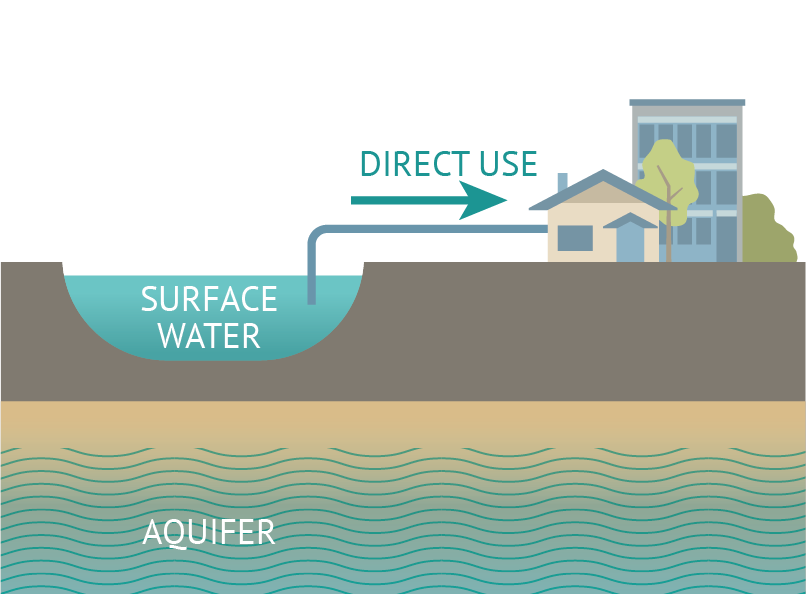
Direct Use
Diverting surface water from the Clearwater, treating it, then using it immediately by conveying it directly to residents through the municipal water system.
PRO:
When surface water is used from a local waterway, its less water being pumped from the aquifer. Conceivably, this could eventually relieve the aquifer and decrease the rate of decline to the point of aquifer stabilization.
CON:
The high water flow times are during the winter and spring months when our community doesn’t use as much water. Direct Use won’t be as advantageous during the summer when the community uses the most water, unless a large storage solution is considered.
Aquifer Recharge
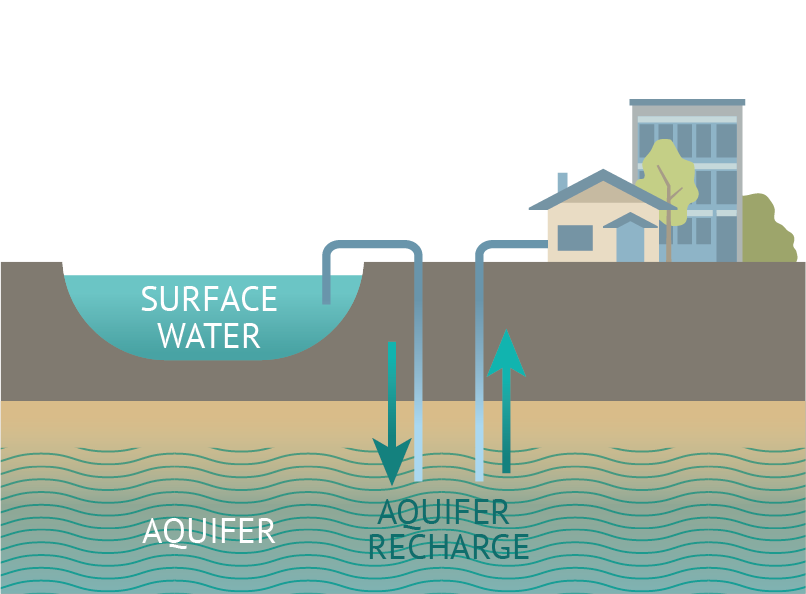
Diverting surface water from the Clearwater, treating it, then replenishing the groundwater by pumping it directly into the aquifer which could be used at a later time. This is also known as aquifer storage and recovery.
PRO:
If there is excess surface water collected during the time of year when there are high water flows, such as winter and spring months when our community doesn’t use as much water, it can be pumped into the aquifer for future use.
CON:
Surface water, even after being treated, likely still has some contaminates. There are concerns around putting treated water into an aquifer that has water that has been naturally treated over hundreds if not thousands of years.
Frequently Asked Questions
Previous Water Supply Alternative Studies
Several other water supply studies could be pursued to help meet our region's future water demands and stabilize groundwater levels. These studies will be kept in the background as further refinement occurs with the above listed "Clearwater River Diversion" study. Next steps may present obstacles as well as opportunities not known at this time. By keeping these other projects in mind, including their varying project elements, the Committee ensures flexibility during next steps while not losing forward momentum. More details on these studies can be found here.

Ensuring Long-Term Water Sustainability for the Palouse Basin
This White Paper document prepared by HDR and PBAC contains an overview of the current status of regional partnership efforts to research and secure a future alternate water supply.